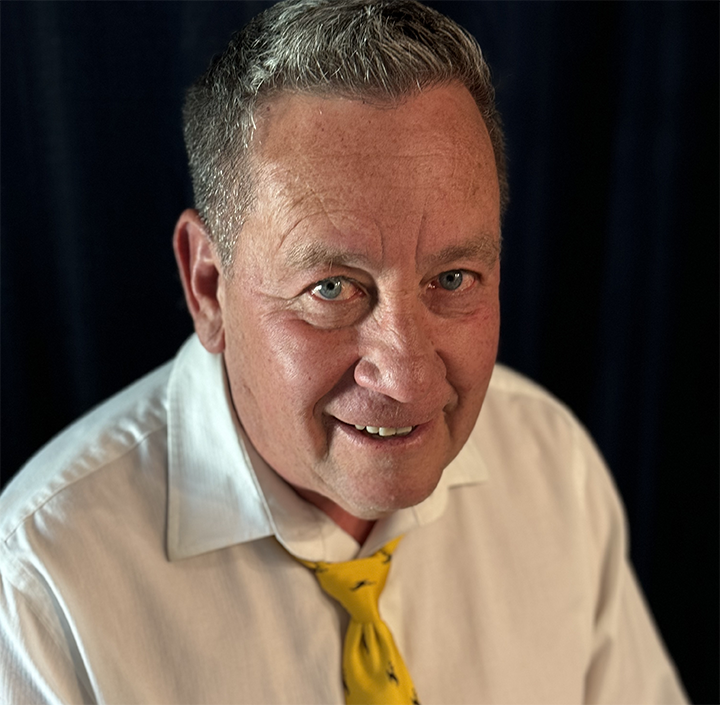
Paul Montoya
For City Council
“I’ve lived in Wyoming for the last 29 years. After attending most Laramie City Council meetings over the last year and a half, I feel it is time to give back to the city I love. That is why I’m running for City Council in Ward 1.” – Paul Montoya
The Leadership Our City Needs
Paul moved to Wyoming with his wife Lynn 29 years ago. They have owned and run many businesses over that time including radio stations, a bed and breakfast and a broadcast consulting company. Paul has been involved with a number of boards over the course of his time in Wyoming.
Vision for Laramie
Issue #1: Fiscal Responsibility
Promoting efficiency and accountability in government spending. Ensuring that city leadership is responsible in budgeting and expending city monies.
Issue #2: Government Transparency
Community involvement in decision-making. Too many decisions are made behind closed doors and by the time residents are involved decisions have already been made.
Issue #3: Neighborhood Infrastructure Improvements
Addressing aging infrastructure in residential areas. 10% of our streets have remained unpaved for decades. We need to find a way to change that.
Issue #4: Economic Development
Attracting and retaining businesses. Laramie needs to create a more business-friendly environment by reducing government regulation.
Issue #5: Aging and Senior Services
Senior-friendly infrastructure. We need to support our seniors by providing good streets and sidewalks.
Vision
Actionable Issues
- Roll back city council and mayoral pay to previous levels. A 20% pay increase was enacted this year by current City Council members.
- Evaluate the administrative pay structure of the top 24 city official making over $100,000 per year including the City Manager who receives $173,000 per year pls benefits.
- Analyze the structure of the current Laramie Regional Airport board of directors. The current boards is made up of city and county employees and one former county employee.
- Discover ways to improve the availability of affordable housing in Laramie, including stakeholders like contractors, developers, bankers and developers.
- Help to get the Recreation Center back on a good course to serve our community without requiring almost a million dollars a year in financial support from Laramie general funds.
Issues
Keep in Touch With the Campaign
By providing a telephone number and submitting this form you are consenting to be contacted by SMS text message. Message and data rates may apply. You can STOP messaging by sending STOP and get more help by sending HELP. Privacy Policy
Ready to take the next step and support Paul?
Upcoming Events
-
Cowpokes and Candidates Meet & Greet (ASUW Event) – October 23rd – 6pm / UW Union Ballroom
Don’t Forget to Vote!
Cast your vote in the General Election now at the Albany County Courthouse or vote November 5th at your local precinct.
Day(s)
:
Hour(s)
:
Minute(s)
:
Second(s)